- 24/7 mobile service
- 15–30 min typical arrival
- All London
What Is TPMS and Why Is the Tyre Pressure Warning Light On?
Quick answer TPMS (Tyre Pressure Monitoring System) warns you when a tyre is losing pressure. If the light is on, one or more tyres may be underinflated. Check the tyres safely and adjust the pressure to the vehicle manufacturer's recommendation. If the light stays on, or a tyre keeps going flat, arrange a mobile TPMS check in London. FlatFix Tyre offers mobile tyre assistance 24/7.
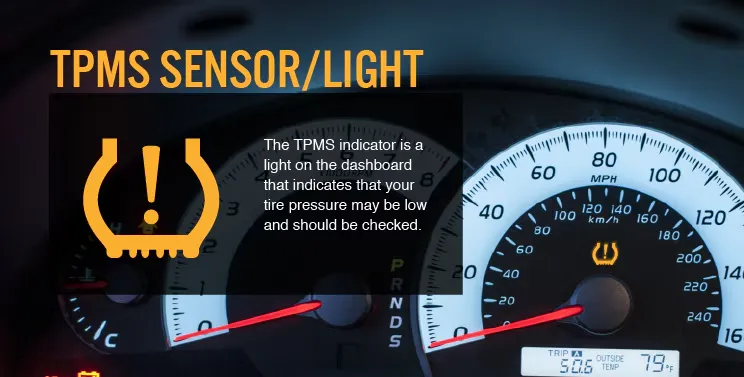
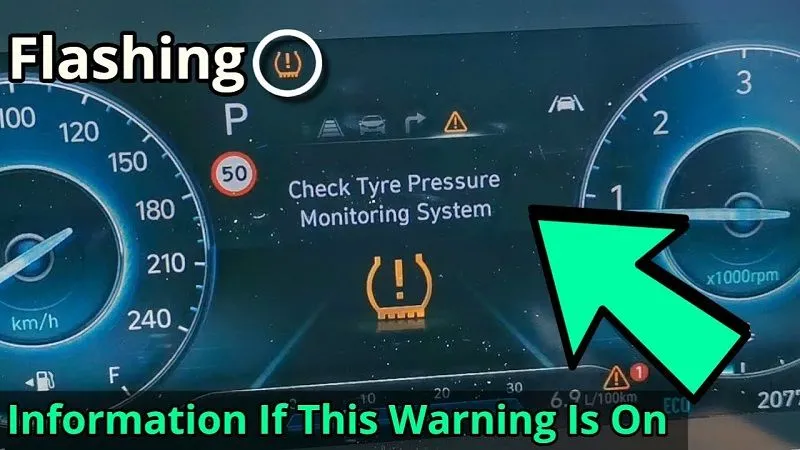
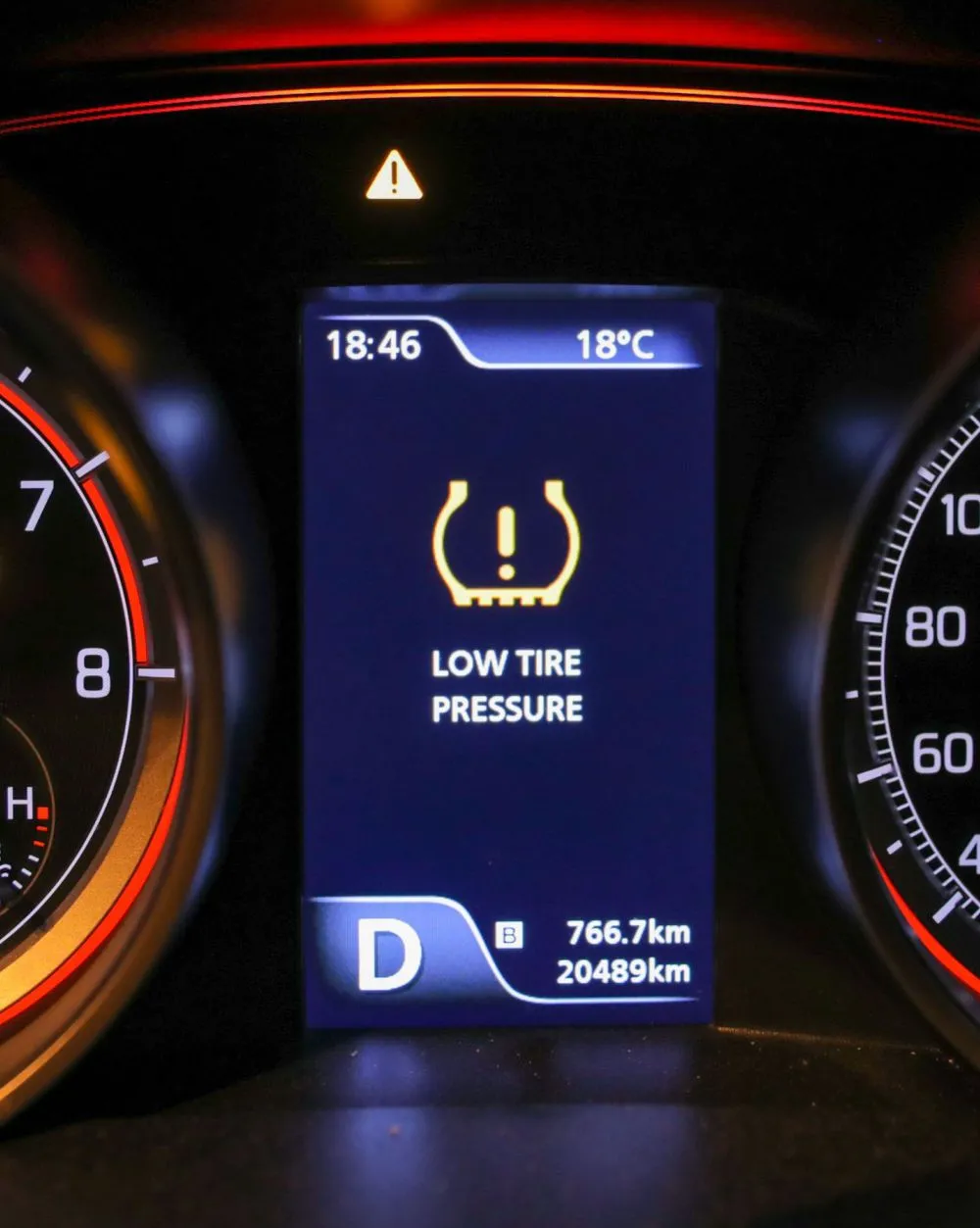
What does the tyre pressure warning light look like?
The tyre pressure warning light is usually a yellow or amber symbol resembling a tyre cross-section with an exclamation mark inside. It appears on your dashboard when the vehicle detects low tyre pressure or, depending on the vehicle, a problem with the monitoring system.
What is TPMS and how does it work?
TPMS stands for Tyre Pressure Monitoring System. It monitors tyre pressure and alerts the driver when the system detects that pressure may be too low. The exact system and warning behaviour vary by vehicle.
Direct TPMS
Sensors fitted inside the wheels measure tyre pressure directly and send readings to the vehicle's monitoring system. A sensor fault or depleted sensor battery can also trigger a warning.
Indirect TPMS
This system uses wheel-speed information from the vehicle's ABS system to estimate whether a tyre may be underinflated. Some vehicles require a reset or recalibration after pressure adjustments or tyre changes.
Both systems are designed to alert you to a potential tyre-pressure problem before it contributes to poor handling, excessive tyre wear or tyre damage.
What is your light telling you?
| What you see | What it may mean | What to do |
|---|---|---|
| Light stays on steadily | One or more tyres may be underinflated | Check all tyre pressures safely and inspect for visible damage or a puncture. |
| Light flashes, then stays on | May indicate a TPMS system or sensor fault | Check your vehicle handbook and arrange a system inspection. |
| Light appears in cold weather | Lower temperatures may have reduced tyre pressure | Check and adjust pressures when tyres are cold, following the vehicle handbook. |
| Light appears after new tyres | The system may need a reset, relearn or sensor check | Check the vehicle's reset procedure or arrange a TPMS inspection. |
| Tyre looks flat or car pulls to one side | Possible puncture, pressure loss or tyre damage | Stop somewhere safe and arrange assistance. Do not drive on a visibly flat tyre. |
5 common reasons the light comes on
- Slow puncture. A nail, screw or other object may cause air to escape gradually. Our puncture repair service can assess whether the tyre is suitable for repair.
- Cold weather. Tyre pressure can fall as the temperature drops, so check pressures regularly during colder weather.
- Natural air loss. Tyres can lose pressure over time. Regular checks help you spot a problem early.
- Recent tyre replacement or pressure adjustment. Some vehicles require a reset or relearn procedure after tyre work or pressure adjustments.
- A faulty or worn sensor. Direct TPMS sensors and their batteries can fail, potentially causing a warning even when the tyre pressures are correct.
What to do when the light comes on: the 60-second check
Tap each step as you go.
Not sure how often to check? Read our guide on how often you should check your tyre pressure.
Can I keep driving with the TPMS light on?
Do not ignore the warning. If the vehicle feels normal and no tyre appears damaged, move carefully to a suitable safe place to check the pressures and consult your vehicle handbook. Avoid unnecessary journeys until you understand the cause.
If a tyre is visibly flat, damaged, bulging or losing air quickly, do not continue driving on it. Driving on an underinflated or damaged tyre can affect handling and braking and may cause further damage. If replacement is necessary, see our emergency tyre replacement service.
Why is the light still on after I filled my tyres?
If the TPMS light remains on after you have adjusted the pressures, several explanations are possible:
- The vehicle may need a short drive or a reset procedure, depending on its system.
- One or more tyres may still be below the recommended pressure.
- A TPMS sensor may be damaged or its battery may have failed.
- A slow puncture may still be allowing air to escape.
- The system may require a sensor relearn after tyre replacement or other wheel work.
Check the vehicle handbook for the correct procedure. If the warning remains or returns, arrange a professional inspection rather than repeatedly resetting it without finding the cause.
Can a TPMS fault affect my MOT?
It can. Depending on the vehicle and the applicable MOT inspection requirements, a TPMS warning or fault may result in an MOT issue. If the warning is present, have the system checked before the test rather than assuming it will clear by itself.
Mobile TPMS check in London: we come to you
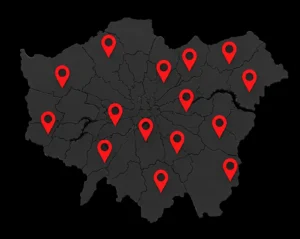
If a tyre-pressure warning appears at home or work, you may not need to travel to a garage just to have the tyres assessed. FlatFix Tyre offers mobile tyre assistance across London, subject to vehicle access, service requirements and a suitable safe working location.
- 24/7 assistance. Contact us to check availability for your location and situation.
- Typical arrival may be 15–30 minutes in suitable nearby areas, depending on traffic, demand and location. Times are estimates, not guarantees.
- We can assess tyre pressure concerns and look for signs of punctures or tyre damage where conditions allow.
- If a tyre needs replacing, ask about our tyre supply and fitting service.
- If the wheels need checking after tyre work, learn more about wheel balancing.
Based in Harrow? Visit our mobile tyre fitting in Harrow page, or check the full list of areas we cover.
Frequently asked questions
What does TPMS stand for?
TPMS stands for Tyre Pressure Monitoring System. It alerts you when the system detects a potential tyre-pressure problem.
Is it safe to drive with the tyre pressure light on?
Do not ignore the warning. Move carefully to a safe place to check your tyres. If a tyre is visibly flat, damaged or losing air rapidly, do not drive on it; arrange assistance.
Why is my tyre pressure light flashing?
On many vehicles, a light that flashes before remaining illuminated can indicate a TPMS fault, such as a sensor issue. Check your vehicle handbook and arrange an inspection.
Why does the light come on when it is cold?
Tyre pressure can decrease as temperatures fall. Check the pressures when the tyres are cold and adjust them to the manufacturer's recommended settings.
Do I need a TPMS check after new tyres?
It depends on your vehicle. Some systems need a reset, sensor relearn or inspection after tyre replacement. Follow the vehicle manufacturer's procedure.
Can you do a TPMS check at my home or work?
FlatFix Tyre offers mobile tyre assistance across London. Contact us to discuss your vehicle, the warning light and whether the required work can be carried out at your location. See our TPMS checks service.
How much does a TPMS check cost?
The cost depends on the vehicle and the work required. Send us your vehicle registration, location and a description of the warning, and ask for a quote before work begins.
Tyre pressure light on right now?
Do not ignore a persistent warning or a tyre that keeps losing pressure. Call or WhatsApp FlatFix Tyre with your location, vehicle details and a description of what the dashboard is showing.