Are All-Season Tyres Worth It in the UK? Pros, Cons and Costs Explained
Choosing replacement tyres can be confusing when British weather changes from warm sunshine to heavy rain, cold mornings and occasional snow. Many drivers consider all-season tyres because they want one set that can cope with different conditions throughout the year.
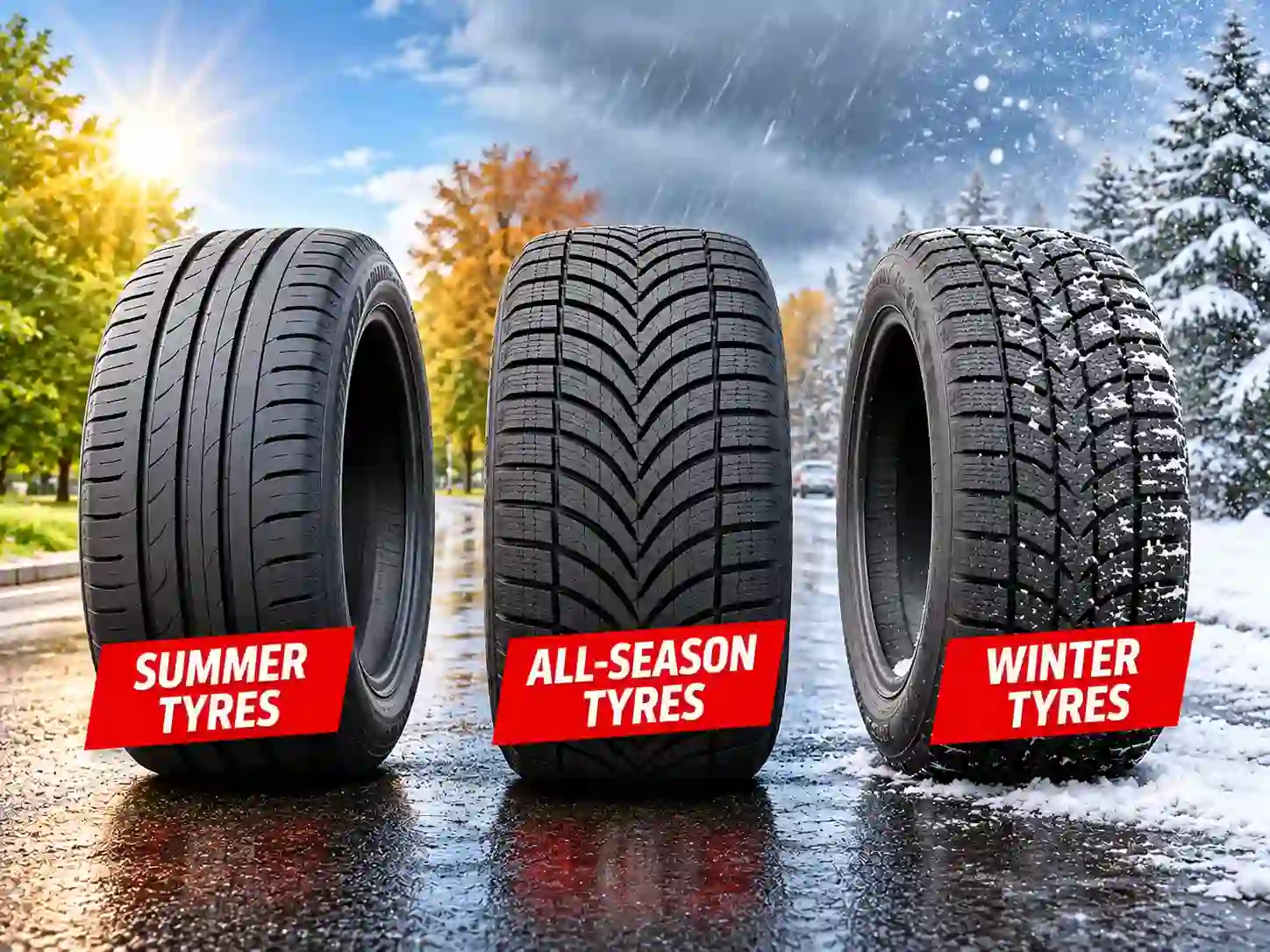
So, are all season tyres worth it in the UK? For many motorists, they can be a practical choice. They are designed to balance warm-weather, wet-weather and colder-condition performance, making them worth considering in regions with generally mild winters and occasional snowfall. However, they are not automatically the best option for every vehicle or driving style. Drivers who regularly encounter extreme heat, heavy snow or icy roads may benefit more from dedicated summer and winter tyres.
The right choice depends on where you drive, how often you travel, your vehicle manufacturer's specifications and the performance of the particular tyre model.
Need All-Season or Replacement Tyres Fitted at Your Location?
FlatFix Tyre supplies and fits all-season, summer, and winter tyres at your home, workplace, or roadside across London and Greater London.
24/7 Service Available • Average Arrival: 15–30 Mins (Subject to Location & Availability)
Quick Check: Are All-Season Tyres Right for Your Driving?
Select the option that best matches your usual driving habits in the UK to see if all-season tyres make sense for you:
Verdict: Strong Fit for London & Urban Commuters
Greater London sees frequent rain, chilly winter mornings, and occasional light frost rather than deep alpine snow. A quality 3PMSF-rated all-season tyre gives reliable wet grip year-round without the hassle of storing a second set of wheels.
What Are All-Season Tyres?
All-season tyres are designed to remain suitable for use throughout the year. They combine features associated with summer and winter tyres, including a tread pattern with grooves and sipes to help maintain grip in changing conditions and a rubber compound developed to work across a wider temperature range.
A summer tyre is optimised for warmer conditions, while a winter tyre is designed to maintain flexibility and traction in colder weather. An all-season tyre aims to balance these characteristics rather than specialise in just one season.
You may also see the terms all-weather tyres and four-season tyres. These names are sometimes used interchangeably in consumer descriptions, although terminology can vary between manufacturers and markets. Do not rely on the name alone: check the tyre's technical specifications and whether it carries the Three-Peak Mountain Snowflake (3PMSF) marking if tested snow performance is important to you.
Are All-Season Tyres Worth It in the UK?
For many UK drivers, all-season tyres are worth considering because the climate is often changeable rather than consistently extreme. A typical year can include wet roads, mild autumn and spring temperatures, warmer summer journeys and occasional winter frost or snow.
A suitable all-season tyre can remove the need to change between separate summer and winter sets. That can make ownership more convenient, particularly if you do not have somewhere to store an additional set of tyres.
However, convenience should not be confused with maximum performance in every condition. A dedicated summer tyre may be better suited to sustained warm-weather driving, while a dedicated winter tyre may offer an advantage for regular journeys on snow-covered or icy roads.
Who should consider all-season tyres?
- Drivers travelling mainly in towns, cities and areas with relatively mild winters.
- Motorists experiencing a mixture of rain, cool mornings and occasional light snow.
- Drivers who prefer using one suitable tyre set throughout the year.
- Car owners without space to store seasonal tyres or time for twice-yearly changeovers.
Are All-Season Tyres Suitable for London Driving?
London drivers often encounter wet roads, standing water, stop-start traffic, roundabouts, residential streets and busy dual carriageways. Temperatures can fall during winter, but prolonged heavy snowfall is not a typical feature of every London winter.
For motorists whose journeys mainly take place in Greater London, a suitable all-season tyre may provide a useful balance across the year. It can be particularly convenient for drivers who commute locally, travel to work in different weather or occasionally drive outside the capital.
Before choosing, consider:
- Your usual routes and whether they include steep or untreated roads.
- How often you travel outside London during winter.
- Your annual mileage and typical vehicle load.
- The tyre size and specification approved for your vehicle.
- Independent test results for the exact tyre model and size.
All-season tyres are an option for London driving, not a universal recommendation for every London vehicle. If you need assistance choosing or fitting tyres at home or work, explore our mobile tyre fitting service in London.
All-Season Tyres vs Summer Tyres vs Winter Tyres
Each tyre type is designed around different driving conditions. The table below gives a general comparison; actual performance depends on the individual tyre model, vehicle and road surface.
| Feature | Summer Tyres | All-Season Tyres | Winter Tyres |
|---|---|---|---|
| Warm, dry weather | Designed for strong performance | Balanced performance | Not usually the preferred option |
| Wet roads | Good performance from suitable models | Designed for year-round wet-weather use | Designed for cold conditions, including wet roads |
| Cold conditions | Performance reduces as temperatures drop | Designed to work across a wider temperature range | Specifically designed for cold weather |
| Snow | Limited suitability | Models with 3PMSF pass snow tests | Designed for snow and severe winter conditions |
| Year-round use | Possible in mild conditions | Main intended use | Usually changed for warmer seasons |
| Seasonal changes | May require a winter set in colder regions | Usually no seasonal change needed | Usually paired with summer tyres |
All-season tyres vs summer tyres
Summer tyres are designed to provide responsive handling and braking in warmer conditions. All-season tyres offer a broader operating range, though this balance can involve minor compromises against specialist summer tyres in sustained heat.
All-season tyres vs winter tyres
Winter tyres are developed for colder conditions and provide features intended to improve traction on snow and in low temperatures. A 3PMSF-marked all-season tyre has passed a defined snow-performance test, but that does not make it identical to a dedicated winter tyre in deep snow.
Advantages and Disadvantages of All-Season Tyres
All-season tyres offer genuine convenience, though they involve engineering compromises. Weigh both sides before ordering:
Advantages (Pros)
- One set year-round: Eliminates twice-yearly garage visits for tyre swaps.
- Adaptability: Handles sudden UK rain showers and cold mornings reliably.
- No storage needed: Saves garage or shed space since you don't own two sets.
- Practical for mixed routes: Suitable for city streets, A-roads, and motorways.
Disadvantages (Cons)
- Performance trade-offs: Specialist summer or winter tyres outperform them at extremes.
- Purchase price: Often cost slightly more upfront than standard summer tyres.
- Severe winter limits: Not a full substitute for winter tyres on steep, icy rural roads.
- Quality varies by brand: Budget all-season tyres perform very differently from premium ones.
Are All-Season Tyres Good in Heavy Rain?
A suitable all-season tyre can provide good wet-weather performance, but the result depends on its tread design, compound, condition and the vehicle it is fitted to. Tread grooves help channel water away from the contact area, though worn tread reduces water clearance and increases aquaplaning risk.
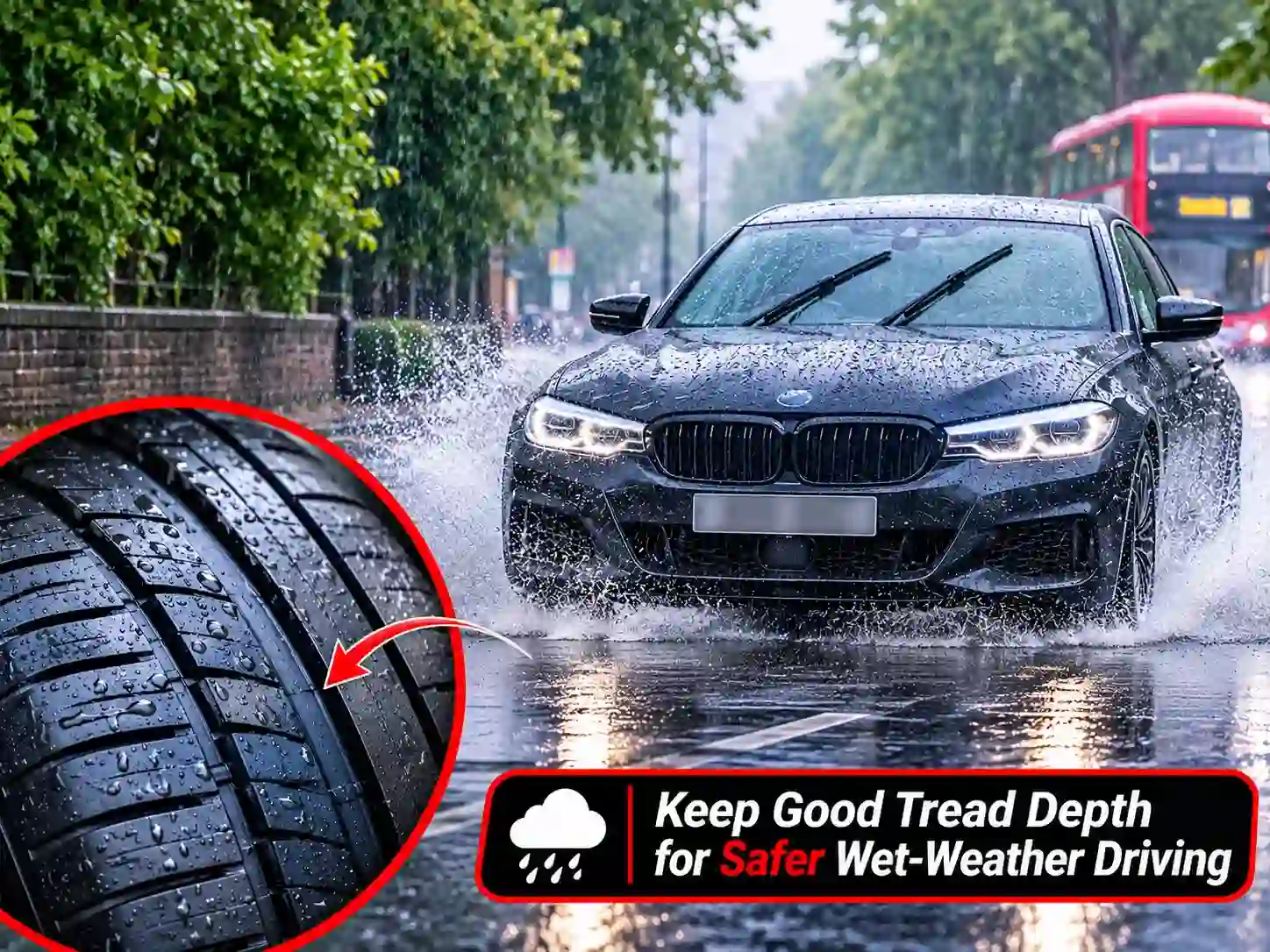
For safer wet-weather driving, reduce speed when visibility deteriorates, leave a larger stopping gap, avoid sudden steering inputs, and inspect tread depth regularly.
Are All-Season Tyres Good in Snow and Ice?
Some all-season tyres are designed to provide useful traction in light snow, particularly models carrying the 3PMSF marking. However, deep snow, compacted snow, steep hills, and black ice remain hazardous for any tyre. Always slow down and avoid unnecessary journeys when conditions are severe.
What Does the 3PMSF Symbol Mean?
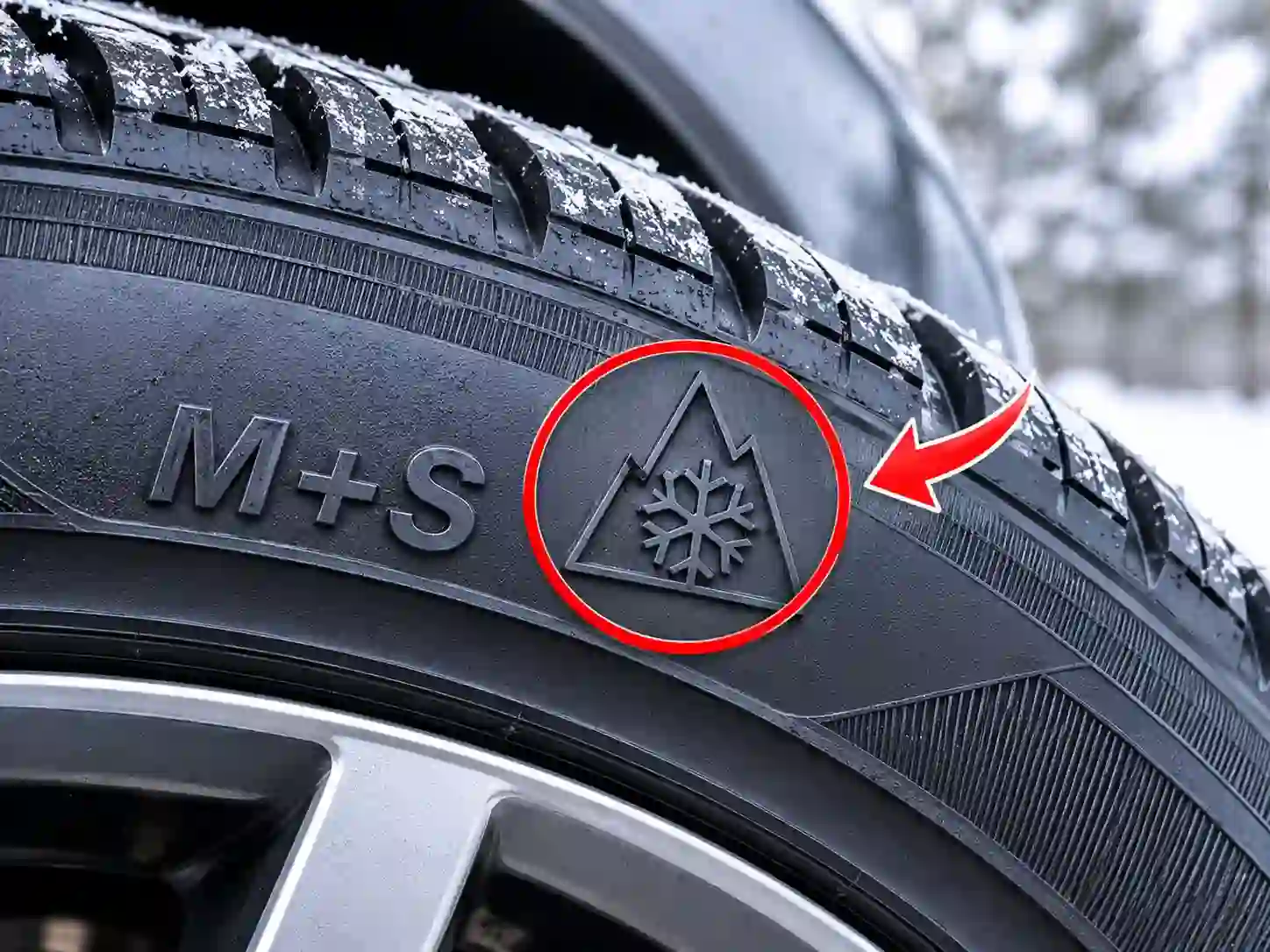
3PMSF stands for Three-Peak Mountain Snowflake—a symbol showing a snowflake inside a three-peaked mountain on the tyre sidewall. A tyre carrying this marking has passed an objective snow-performance test under regulatory standards.
How Much Do All-Season Tyres Cost in the UK?
There is no single price for all-season tyres. The total fitted cost depends on tyre size, brand tier, load/speed ratings, run-flat construction, EV specifications, and mobile fitting/balancing requirements. Always compare complete fitted quotes rather than tyre-only prices.
Select quantity and brand tier for an approximate UK fitted guide range (including mobile fitting & balancing):
Do All-Season Tyres Last Longer?
Not necessarily. Tyre lifespan depends on driving style, vehicle weight, correct tyre pressure, wheel alignment, road surfaces, and rubber compound quality. Maintaining proper inflation and alignment is essential to prevent premature uneven wear.
Are All-Season Tyres Suitable for Electric Cars, SUVs and Vans?
They can be suitable, provided the specific tyre meets your vehicle manufacturer's approved load index, speed rating, and technical specifications:
- Electric cars (EVs): Heavy battery packs and instant motor torque place extra demand on tyres. Always check load ratings and rolling resistance. Read our guide on why electric car tyres wear out faster.
- SUVs: Heavier curb weights often require Extra Load (XL) or SUV-rated casings.
- Vans: Commercial vans require reinforced C-rated commercial tyres capable of carrying heavy payloads safely.
Can You Mix All-Season Tyres with Summer or Winter Tyres?
Mixing different tyre types creates uneven grip and handling characteristics between axles—especially during wet braking or sudden cornering. TyreSafe advises against mixing all-season tyres with summer or winter tyres. Fit matching tyre types across all four wheels whenever possible.
How to Choose the Right All-Season Tyres
Follow this 9-step checklist before purchasing replacement tyres:
- Check the vehicle handbook: Confirm the manufacturer's approved tyre sizes and specifications.
- Confirm the tyre size: Read the existing tyre sidewall (e.g., 205/55 R16 91V) and verify it against your vehicle.
- Check the load index: Ensure the tyre can safely carry your vehicle's maximum weight.
- Check the speed rating: Must meet or exceed your vehicle's required speed symbol.
- Look for 3PMSF if snow matters: Verifies tested snow traction capability.
- Compare independent tests: Check wet braking, dry handling, and aquaplaning resistance scores.
- Assess your regular routes: Consider city commuting vs rural or motorway mileage.
- Review annual mileage: Match tread durability to your yearly driving distance.
- Ask a professional: Have a qualified technician verify fitment before ordering.
When Should You Replace Your Tyres?
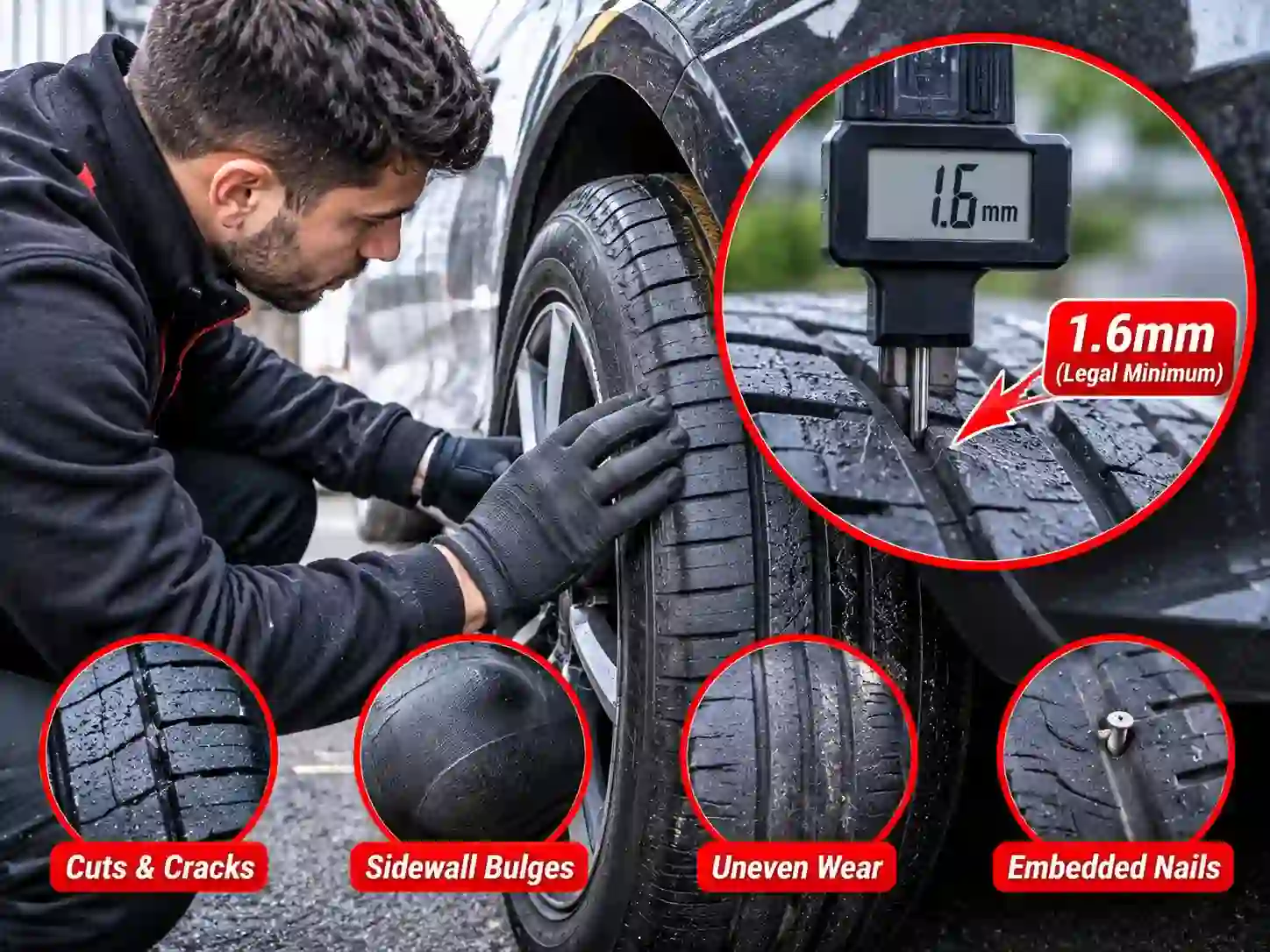
Inspect your tyres regularly and arrange replacement if you notice:
- Low tread depth: Approaching or below the UK legal minimum of 1.6mm across the central three-quarters of the tread.
- Cuts, cracks, or sidewall bulges: Structural damage increases blowout risk.
- Uneven wear: Signals incorrect pressure or wheel alignment faults.
- Embedded nails or repeated pressure loss: Check our guide on tyre puncture repair costs to see if a safe repair is possible.
How FlatFix Tyre Can Help
If your current tyres are worn, damaged, or unsuitable for changing UK weather, FlatFix Tyre provides mobile tyre supply and fitting across London and Greater London, subject to postcode and availability.
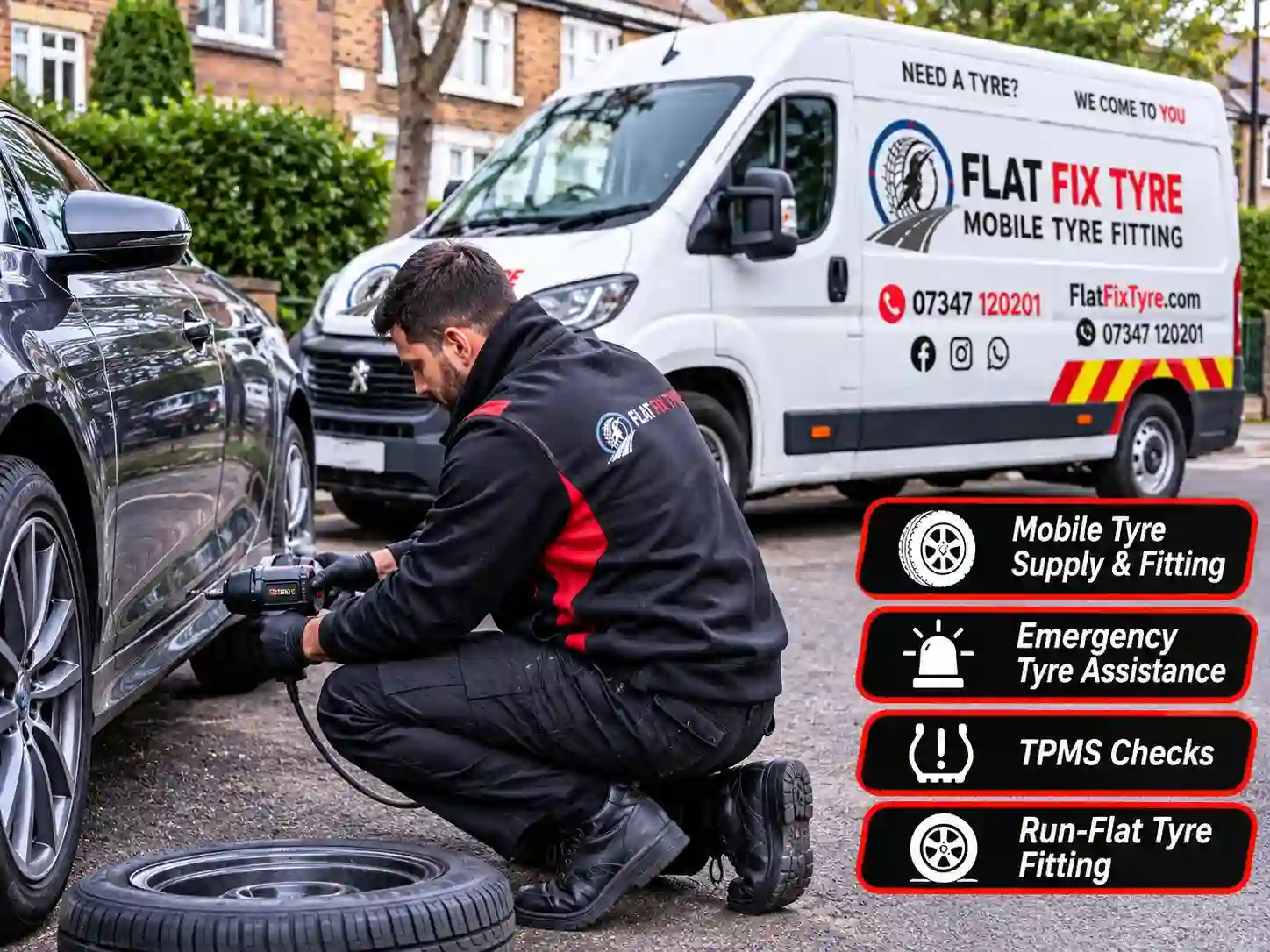
Our mobile services include mobile tyre supply and replacement, emergency tyre assistance, TPMS checks, and run-flat tyre fitting.
Need Replacement Tyres in London?
FlatFix Tyre provides mobile tyre supply and fitting across London and Greater London, subject to location and availability. Contact our team to discuss your requirements.
Phone: 07347 120 201 | Email: info@flatfixtyre.com
Conclusion: Are All-Season Tyres Worth It?
For many UK motorists, all-season tyres are a practical, convenient choice. They balance wet grip, mild winter performance, and everyday durability without requiring seasonal tyre swaps or storage.
However, they are not universal replacements for specialist summer or winter tyres in extreme weather. Always check your vehicle manufacturer's specifications, compare independent test results, and choose tyres suited to your everyday routes.
Frequently Asked Questions
They can be worth it for drivers who experience mixed weather and relatively mild winters. They offer year-round convenience, but may not match specialist summer or winter tyres in their ideal conditions.
They can be suitable for many London drivers because the city experiences rain, mild winters and occasional cold spells. The best choice still depends on your vehicle, routes and the particular tyre model.
Not in every condition. Summer tyres are designed for warmer weather and may perform better in some warm and dry tests. All-season tyres offer a broader operating range, including colder conditions.
They are more versatile for year-round use, but dedicated winter tyres are generally the more specialised choice for regular severe winter conditions and sustained snow.
Some do, particularly models carrying the 3PMSF marking, which indicates they have passed a defined snow-performance test. They do not remove the risks of driving in deep snow or on ice.
A well-designed, correctly maintained all-season tyre can perform well in wet conditions. Wet grip depends on the tyre model, tread depth, pressure and road surface. No tyre eliminates aquaplaning risk.
Not automatically. Wear depends on tyre design, vehicle weight, pressure, alignment, road conditions and driving style. Compare independent tests and follow maintenance guidance.
Some models cost more than comparable summer tyres, but prices vary by brand, size and specification. Compare the complete fitted cost rather than the tyre-only price.
It stands for Three-Peak Mountain Snowflake. The marking indicates that the tyre has met specified snow-performance test requirements.
M+S means Mud and Snow and is a manufacturer marking. 3PMSF identifies a tyre that has passed an objective snow-performance test. M+S alone is not equivalent to 3PMSF.
Yes, if the tyres are suitable for your vehicle and driving conditions and are maintained correctly. Check the vehicle manufacturer's requirements and the tyre's specification.
Mixing tyre types can affect handling and grip. Follow the vehicle manufacturer's guidance and seek professional advice rather than combining different types without checking suitability.
They can be, provided they meet the EV manufacturer's required size, load index, speed rating and other specifications. Consider rolling resistance and noise as well.
Suitable models can be used for motorway journeys if they meet the vehicle's specifications and are in good condition. Check pressure and tread, and adapt speed to weather and traffic conditions.
Not necessarily. Fuel consumption depends partly on rolling resistance, but also on vehicle condition, tyre pressure, driving style, load and route. Compare the tyre's efficiency information rather than assuming all-season tyres save fuel.