What Is TPMS in a Car? A Complete Guide for UK Drivers
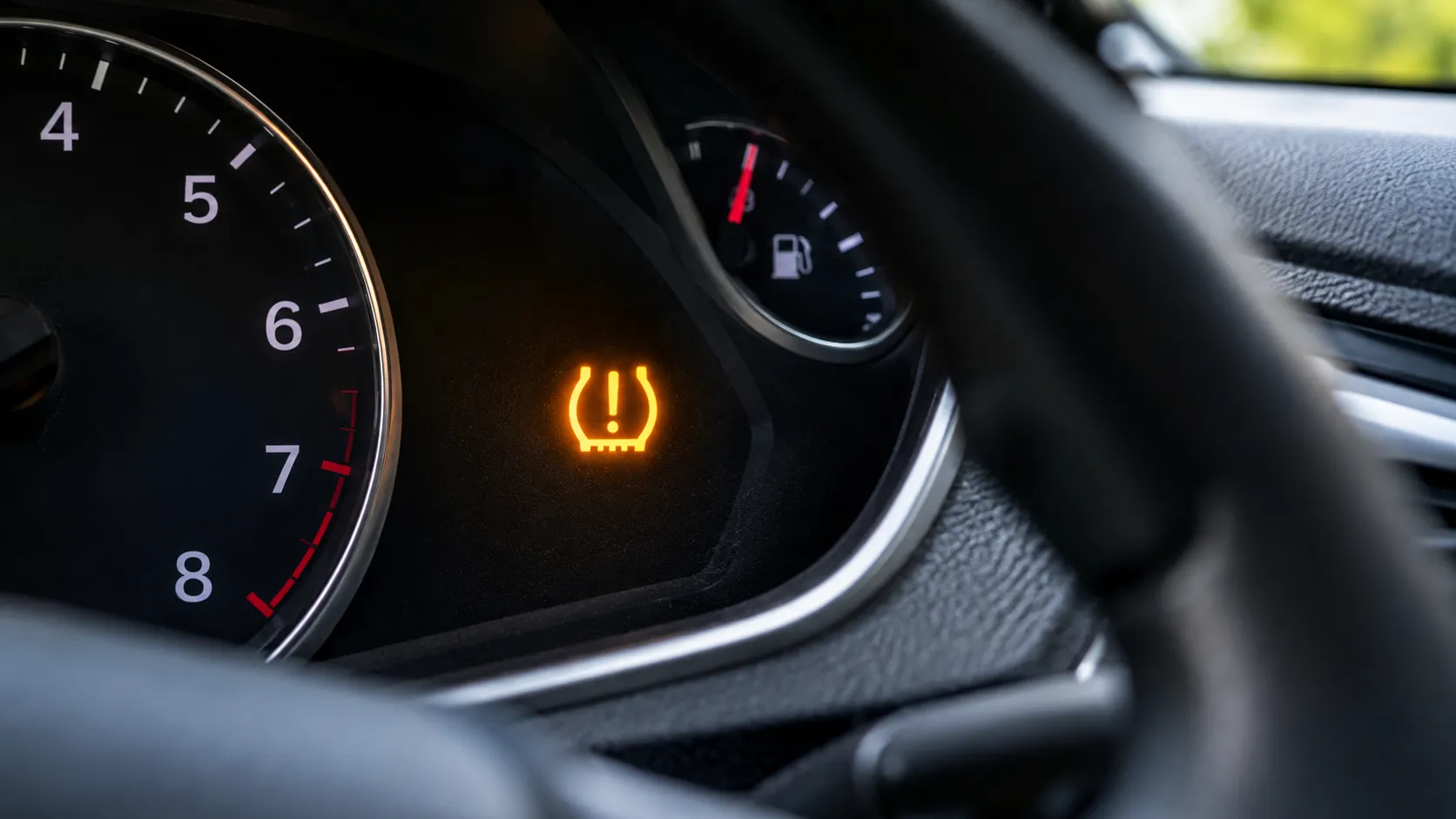
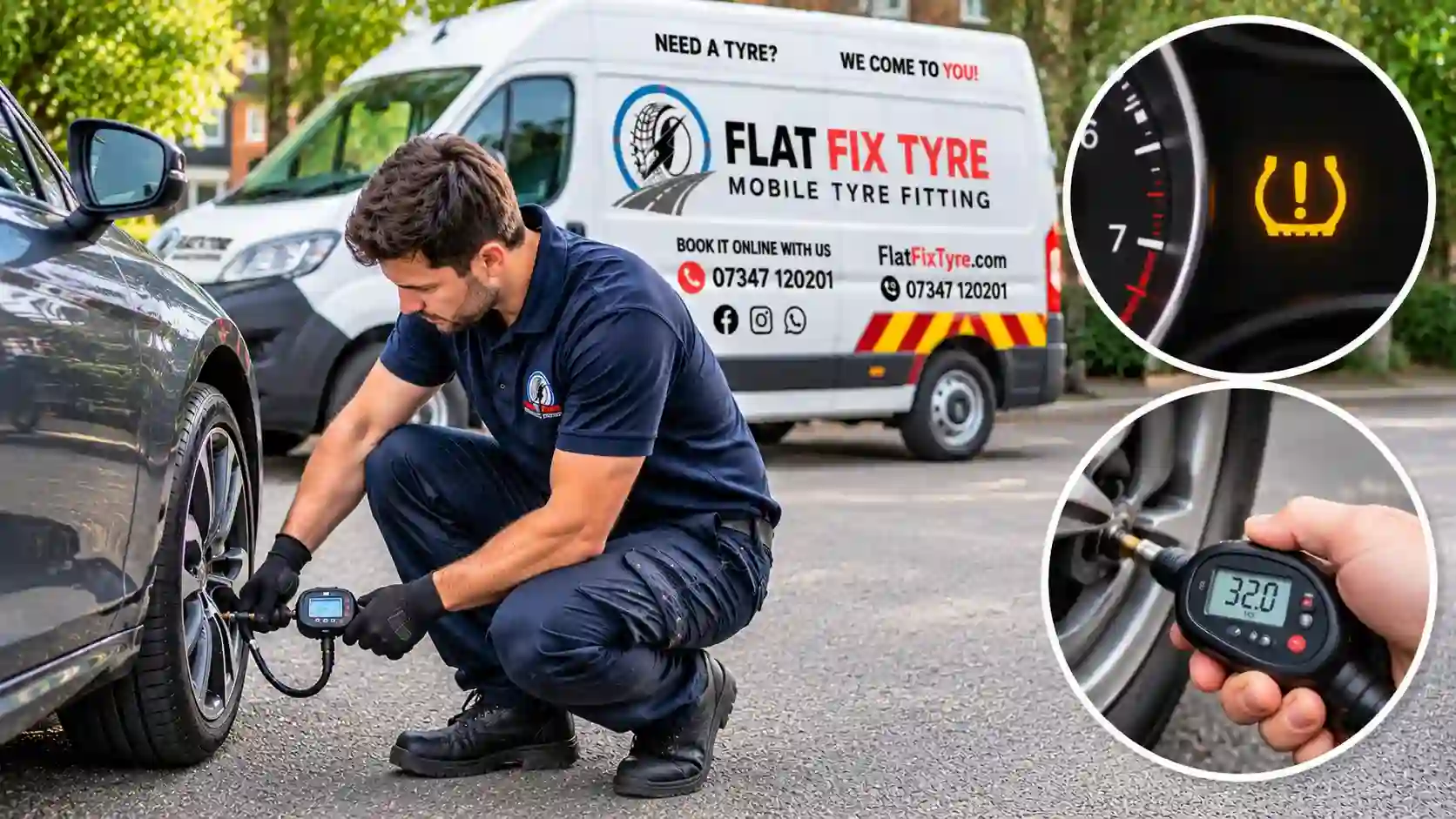
A horseshoe-shaped symbol with an exclamation mark has appeared on your dashboard. It may look unfamiliar, but it is usually the tyre pressure monitoring system (TPMS) warning light. It alerts you when the system detects that one or more tyres may be underinflated, or that the monitoring system itself may have a fault.
TPMS is a useful safety feature, but it does not replace checking your tyres manually. In this guide, we explain what TPMS means, how it works, why the warning light comes on and what to do next.
What Does TPMS Stand For?
TPMS stands for Tyre Pressure Monitoring System. It is an electronic safety system designed to monitor tyre pressure or detect changes that may indicate underinflation.
Its purpose is to alert you when one or more tyres may not have enough air. Depending on the vehicle, the system may show a general warning light, display individual tyre pressure readings or identify which tyre needs attention.
Correct tyre pressure matters because it affects:
Handling & Stability
Underinflated tyres can affect how your car responds when steering and cornering.
Braking & Control
Incorrect pressure can affect tyre performance and the vehicle's behaviour.
Tyre Wear
Underinflation can contribute to uneven tyre wear or accelerated wear.
Fuel Consumption
Tyres that are not inflated correctly can increase rolling resistance.
TPMS provides an early warning, helping you identify a possible tyre pressure problem before it becomes more serious. However, it cannot prevent every tyre-related problem or guarantee that your tyres are safe.
What Does the TPMS Warning Light Look Like?
The common TPMS warning symbol looks like a horseshoe or the cross-section of a tyre, with an exclamation mark in the middle. It usually appears in amber or yellow on the dashboard. The exact symbol and warning behaviour depend on the vehicle.
Interactive TPMS Warning Light Guide
Select how your dashboard warning behaves to see what it typically indicates:
Steady TPMS Warning Light
A steady warning light often indicates that one or more tyres have fallen below the pressure level expected by the vehicle's monitoring system—due to gradual air loss, a slow puncture from a nail, cold weather, or underinflation.
What to Do: Check all four tyres rather than assuming the problem is limited to one.
What does a steady TPMS light mean?
A steady warning light often indicates that one or more tyres have fallen below the pressure level expected by the vehicle's monitoring system. Possible reasons include:
- A tyre has gradually lost air.
- A nail or other object has caused a slow puncture.
- Cold weather has reduced tyre pressure.
- A tyre has not been inflated to the manufacturer's recommended pressure.
Check all four tyres rather than assuming the problem is limited to one.
What does a flashing TPMS light mean?
On many vehicles, a TPMS light that flashes when the car starts and then remains illuminated indicates a fault with the monitoring system rather than simply low tyre pressure. The fault could involve a sensor, its battery, communication with the vehicle or another part of the system. However, warning patterns vary between manufacturers—check your vehicle handbook to understand exactly what the warning means for your model.
How Does a Tyre Pressure Monitoring System Work?
There are two main types of TPMS: direct and indirect. Both are designed to identify possible pressure problems, but they use different methods.
Direct TPMS
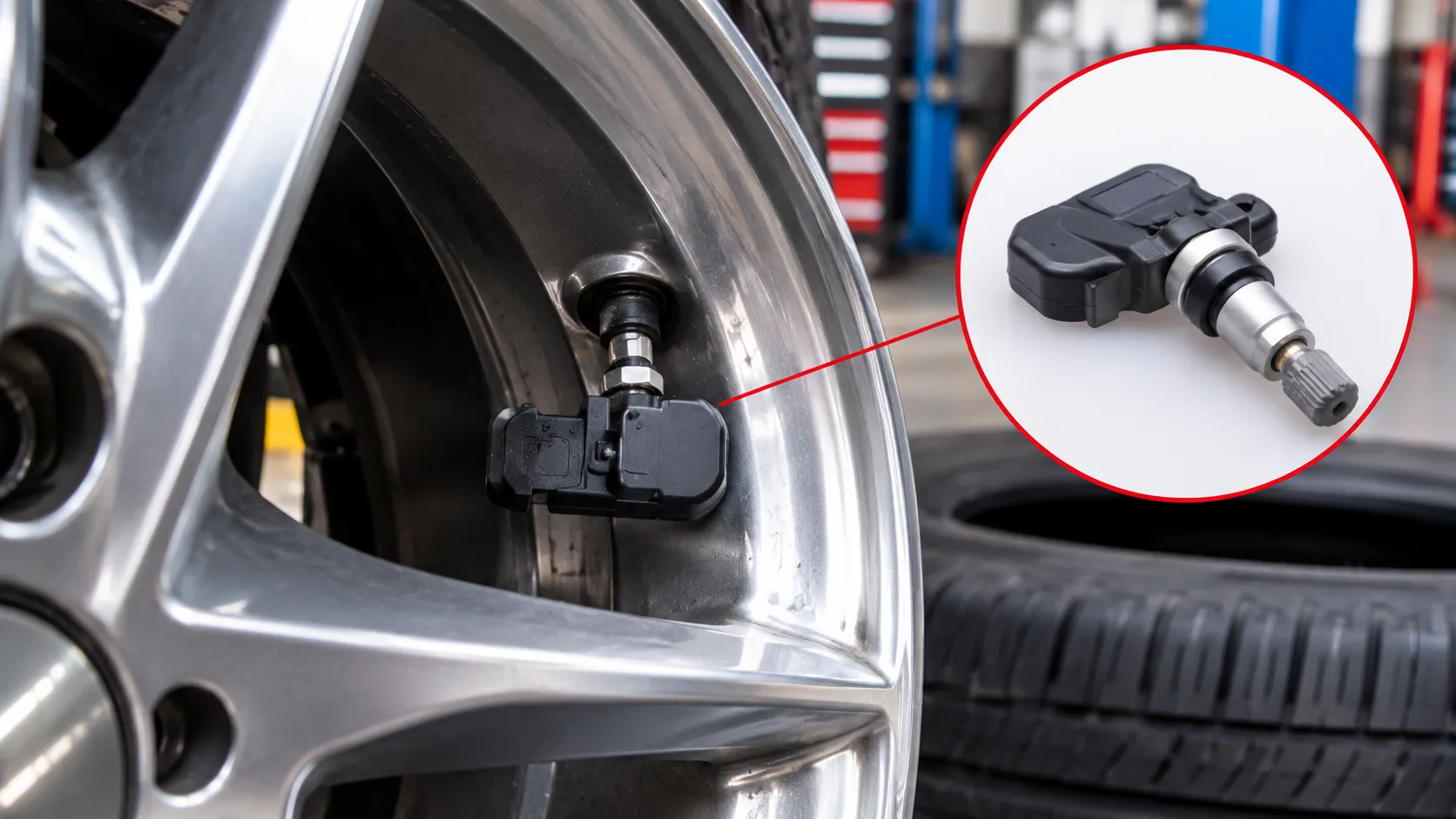
A direct TPMS uses physical sensors fitted to the wheels to measure the air pressure inside the tyres. These sensors are commonly integrated into the tyre valve assembly or fitted inside the wheel, sending information wirelessly to the vehicle's electronic control system.
Depending on the vehicle, a direct system may:
- Monitor the pressure in each tyre.
- Display individual tyre pressure readings.
- Identify which tyre has a low-pressure reading.
- Activate a dashboard warning when pressure falls below the system's threshold.
Direct systems measure pressure itself, but the sensors can become damaged or develop faults, and their batteries can eventually run out.
Indirect TPMS
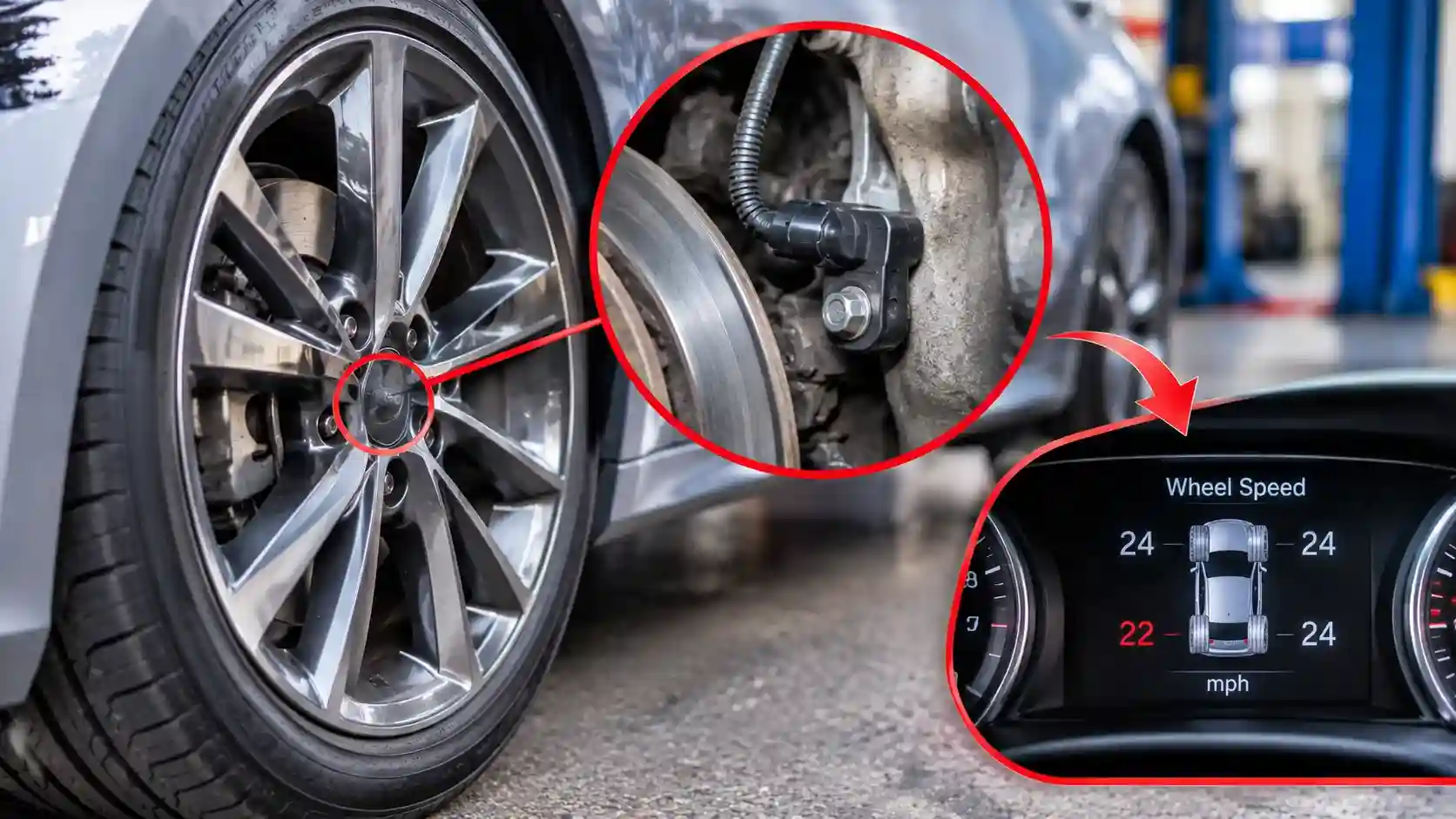
An indirect TPMS works differently. It does not use a dedicated pressure sensor inside each tyre. Instead, it uses information from the vehicle's wheel-speed sensors, which are also used by the anti-lock braking system (ABS).
When a tyre loses pressure, its rolling circumference can change, causing that wheel to rotate at a slightly different speed from the others. The vehicle's system compares wheel-speed information and may identify a difference suggesting underinflation.
Indirect systems estimate pressure changes rather than measuring air pressure directly, and some require recalibration after tyre inflation, replacement or wheel work.
The two systems have different advantages and limitations. Your vehicle handbook or manufacturer can confirm which type your car uses.
Why Is My TPMS Warning Light On?
There are several reasons why a TPMS warning light might appear. The first step is to check the actual tyre pressures rather than immediately assuming the system is faulty.
One or more tyres have low pressure
Tyres naturally lose some air over time. If pressure falls below the vehicle's monitoring threshold, the system may activate the warning light. Use a reliable pressure gauge to check each tyre when cold, then inflate to the recommended pressures in your handbook or tyre-pressure label.
A slow puncture or air leak
A small nail, screw or sharp object can cause a gradual loss of air that TPMS detects before the tyre looks flat. Avoid removing an embedded object yourself and have the tyre inspected. Read our guide on driving with a nail in your tyre.
Cold weather has reduced tyre pressure
When the weather becomes colder, the air inside a tyre contracts, reducing the pressure reading. Do not assume cold weather is the only cause—check the pressure in every tyre and adjust it to the manufacturer's recommended level.
A damaged or faulty TPMS sensor
A direct TPMS sensor can become damaged, particularly during tyre removal, fitting or other wheel-related work, causing it to send incorrect information or stop communicating. If tyre pressures are correct but the warning remains, a TPMS inspection may be needed.
The sensor battery has reached the end of its service life
Many direct TPMS sensors contain a battery that is not designed to be replaced separately. Over time, the battery loses power and the vehicle struggles to receive a signal, meaning the sensor may need replacing.
Incorrect readings or a monitoring-system fault
Sometimes the warning is caused by a communication issue, sensor malfunction, or a missing manufacturer-specific relearn/calibration procedure after tyre replacement. Identify the underlying cause rather than simply clearing the warning.
What Does a Flashing TPMS Light Mean?
A flashing TPMS warning light can indicate that the monitoring system has developed a fault. On many vehicles, the light flashes for a short period after the ignition is switched on before remaining illuminated. This pattern is commonly associated with a sensor or system malfunction.
Possible causes include:
- A faulty tyre pressure sensor.
- A sensor battery that has run out.
- A sensor that is not communicating correctly.
- A problem following tyre replacement or wheel changes.
- An issue with the vehicle's TPMS electronics.
A flashing warning does not automatically mean that the tyres are correctly inflated. Check their pressures manually as well. If the light continues flashing or changes to a steady warning, consult your handbook and arrange an appropriate inspection.
Can You Drive with the TPMS Light On?
You should not ignore a TPMS warning light. Whether you can continue driving depends on the condition of the tyres and what is causing the warning. If the warning appears while you are driving:
- Find a safe place to stop when it is appropriate to do so.
- Look for visible tyre damage, a flat tyre or anything unusual.
- If you can do so safely, check the pressure in all four tyres.
- Compare the readings with the vehicle manufacturer's recommended pressures.
- Arrange an inspection if a tyre is losing pressure or the warning remains.
If all the tyres appear normal and the pressures are correct, the warning could be caused by a sensor or monitoring-system fault. However, that does not mean you should disregard it. If you are unsure what is causing the warning, a professional inspection can help establish whether the issue is related to tyre pressure, tyre damage or the monitoring system. If you need assistance with a tyre-related problem, you can explore FlatFix Tyre's mobile tyre services.
Does TPMS Detect a Puncture?
No. TPMS does not directly identify a puncture or tell you what has caused a tyre to lose air. It monitors pressure or changes that may indicate underinflation. If a nail causes a slow leak, the system may eventually activate a warning, though some punctures may go unnoticed initially depending on the rate of air loss and the monitoring system.
If you suspect a puncture:
- Check the tyre for visible damage.
- Do not remove an object embedded in the tread.
- Check the pressure if it is safe to do so.
- Avoid driving if the tyre is visibly damaged or losing air rapidly.
- Arrange a professional tyre inspection.
You can also read our guide to tyre puncture repair costs in London to understand more about puncture-related assistance.
How to Reset a TPMS Warning Light
Some vehicles allow drivers to reset or recalibrate the TPMS after correcting tyre pressures, while others perform this process automatically. Always consult the handbook before attempting a reset. Tap each step below as you complete it:
- 1. Park safely: Stop somewhere suitable before checking the tyres.
- 2. Check all four tyres: Inspect them for visible damage and measure their pressures when cold, where possible.
- 3. Adjust the pressure: Inflate each tyre to the manufacturer's recommended pressure. Do not use the maximum pressure printed on the tyre sidewall as the normal target.
- 4. Follow the reset instructions: If your vehicle requires manual TPMS calibration, use the procedure in the handbook.
- 5. Complete any required drive cycle: Some vehicles need to be driven under specified conditions before the system updates.
- 6. Check the warning again: If the light remains on or returns, arrange a professional inspection.
Do not reset the TPMS simply to make the warning disappear. If a tyre is losing air or a sensor is faulty, clearing the warning will not solve the underlying problem.
When Does a TPMS Sensor Need Checking or Replacing?
A TPMS sensor may need professional attention if:
- The warning light flashes repeatedly.
- The TPMS warning stays on despite correct tyre pressures.
- The vehicle displays missing or unusual pressure readings.
- A warning appears after new tyres have been fitted.
- The system cannot identify one or more wheel sensors.
- The warning repeatedly returns after a reset.
A technician may need to inspect the tyres, check the pressure readings and assess the sensor or monitoring system. If a sensor is found to be faulty, replacement may be necessary—the cost depends on the vehicle, sensor type, fitting requirements and any additional programming or relearning needed. Not every TPMS warning requires a new sensor; a low-pressure warning may simply need the tyre pressure correcting, although the reason for the pressure loss should still be investigated.
TPMS Warning Light vs Regular Tyre Pressure Checks: What's the Difference?
TPMS and manual tyre pressure checks serve related but different purposes.
| TPMS monitoring | Manual pressure checks |
|---|---|
| Monitors pressure or pressure-related changes while driving | Measures the pressure using a gauge |
| Alerts you when the system detects a possible problem | Helps you identify incorrect pressure before a warning appears |
| May display individual tyre readings, depending on the vehicle | Allows you to check each tyre directly |
| Can have sensor or system faults | Does not depend on TPMS sensors |
| Does not identify every tyre problem | Can be combined with a visual tyre inspection |
A TPMS warning is helpful, but it should not replace regular manual checks. TyreSafe recommends checking tyre pressures when the tyres are cold at least once a month and before long journeys, and inspecting your tyres for visible damage and wear. For further tyre safety advice, see our guide to the legal tyre tread depth in the UK.
How FlatFix Tyre Can Help with TPMS and Tyre Pressure Concerns
A TPMS warning can be frustrating, particularly when you are unsure whether the problem is a tyre, a pressure reading or a sensor. FlatFix Tyre provides mobile tyre assistance across London, including a dedicated mobile TPMS checks service.

What Our Mobile Technicians Can Do:
- Inspect tyre pressures across all wheels.
- Assess TPMS warning lights and check for common tyre pressure monitoring and sensor-related concerns.
- Inspect tyres for visible problems, slow punctures, or damage.
- Carry out TPMS inspection and reset in relevant circumstances, and advise whether specialist sensor replacement or diagnostics are required.
We attend suitable locations including your home, workplace or roadside location across London.
If the issue turns out to be a tyre problem rather than a monitoring-system fault, our other services may also be relevant:
- Mobile puncture repair may help when a tyre has lost pressure because of a repairable puncture.
- Emergency tyre replacement may be appropriate when a damaged tyre cannot safely be repaired.
- Mobile tyre fitting can help when a replacement tyre is needed at a suitable location (see how long mobile tyre fitting takes).
To find out more, visit FlatFix Tyre or contact the team through the website.
Frequently Asked Questions About TPMS
TPMS stands for Tyre Pressure Monitoring System. It is an electronic system that monitors tyre pressure or pressure-related changes and warns the driver when it detects a possible problem.
You should not ignore the warning. Check your tyre pressures and inspect the tyres when safe. If a tyre is damaged, losing air rapidly or the vehicle feels unstable, stop somewhere safe and arrange assistance rather than continuing to drive.
Not necessarily. A puncture can cause pressure loss and trigger the warning, but low pressure can also result from temperature changes or natural air loss. A faulty sensor or monitoring system can also cause a warning.
Cold temperatures can reduce the pressure inside your tyres. If the pressure falls below the system's warning threshold, the TPMS light may appear. Check the pressures and inflate the tyres to the manufacturer's recommended levels.
On many vehicles, a flashing TPMS light indicates a monitoring-system fault, such as a faulty sensor or communication problem. The exact meaning depends on the vehicle, so check your handbook.
Some vehicles allow a manual reset or recalibration after the tyre pressures have been corrected. Others reset automatically. Follow your vehicle handbook and do not reset the system without investigating the cause of the warning.
No. TPMS is an additional safety feature, not a replacement for regular checks. Measure tyre pressures manually at least once a month and before long journeys, following the manufacturer's guidance.
Possible signs include a flashing warning light, missing pressure readings or a warning that remains after all tyre pressures have been corrected. A professional inspection is needed to distinguish a sensor fault from an actual pressure problem.